
10 Authentic Cultural Experiences in Tanzania: Tribes, History & Living Traditions

Most people come to Tanzania for the wildlife. They leave talking about the people.
Tanzania is home to over 120 ethnic groups, each with its own unique customs, language, and lifestyle — making it one of the most culturally diverse countries on the African continent. Beyond the lions of the Serengeti and the elephants of Tarangire, Tanzania holds an extraordinary world of living traditions, ancient ruins, hunter-gatherer communities, vibrant music festivals, and historical cities that shaped the entire Indian Ocean world.
The best cultural experiences in Tanzania are not museum exhibits or tourist performances. They are living, breathing encounters with communities that have maintained their traditions for thousands of years — communities that welcome curious, respectful visitors and share something genuinely irreplaceable.
This guide covers 10 of the most authentic and meaningful cultural experiences Tanzania offers — and how to include them in your safari itinerary.
Why Cultural Experiences in Tanzania Belong in Every Safari Itinerary
According to the UNWTO, cultural tourism is one of the fastest-growing travel segments globally, driven by travelers seeking meaningful connections with local communities. Tanzania, with its diverse ethnic groups — over 120 tribes — offers an ideal destination for this type of immersive travel.
The wildlife experience is extraordinary. But it is the human encounters — the Maasai elder explaining warrior culture, the Hadzabe guide tracking game through dry bush, the Zanzibari spice farmer describing centuries of trade — that travelers most frequently describe as the moments that changed them.
Whether you are watching Maasai warriors demonstrate traditional jumping dances, learning basket-weaving techniques from village artisans, or exploring contemporary music in Dar es Salaam's vibrant neighborhoods, these human connections often become the most treasured memories of any Tanzanian journey.
Tanzania's cultural and wildlife experiences are not separate things. They are two halves of the same extraordinary country.
1. Visit the Maasai Tribe in Ngorongoro Conservation Area
Where: Ngorongoro Conservation Area, Northern Tanzania
Best combined with: Ngorongoro Crater game drive, Serengeti safari
The Maasai are Tanzania's most iconic tribe — and a Maasai village visit is one of the most powerful cultural encounters available anywhere in East Africa.
Travelers are warmly welcomed by the Maasai community and introduced to their unique way of life — learning about traditional Maasai clothing, home structures, social roles, and community values. Visitors enjoy vibrant traditional dances performed by Maasai warriors, observe beadwork techniques by Maasai women, and explore rituals that represent milestones in Maasai life.
What makes the Ngorongoro experience unique is the setting itself. The Ngorongoro Conservation Area is the only protected area in Tanzania where semi-nomadic people live alongside wildlife. Several wildlife conservancies around the Serengeti-Mara ecosystem are owned and managed by Maasai communities — where community guides share their extraordinary tracking skills and tourism directly funds community development.
What you will experience:
Life inside a Maasai Boma — the traditional circular homestead
The adumu — the famous Maasai warrior jumping dance
Beadwork created by Maasai women, each color carrying specific cultural meaning
Fire-making without matches using sticks and dry grass
Spear throwing demonstrations by young warriors
An honest conversation with elders about how Maasai life is changing in the 21st century
Gnade Safaris tip: Always ask your operator to arrange a genuine community-based visit rather than a tourist-facing performance — the difference in depth and authenticity is enormous.

2. Walk Through Stone Town, Zanzibar
Where: Zanzibar Island
Best combined with: Beach extension after northern circuit safari
Stone Town offers opportunities to interact with local artisans while learning about the island's Swahili culture — evening walks particularly reveal a different side of the city as the day's heat fades and the narrow streets fill with daily life.
Stone Town is a UNESCO World Heritage Site — a medieval city built from coral stone and carved wood where Arab, Persian, Indian, Portuguese, and African civilizations met and merged over centuries of Indian Ocean trade. Walking its labyrinthine alleys is one of the richest cultural experiences available anywhere in Africa.
Key stops on a Stone Town cultural walk:
🏛️ The Old Slave Market and Anglican Cathedral — built directly on the site of East Africa's last functioning slave market (closed 1873); the underground holding chambers remain and are among the most sobering and important historical spaces in Africa
Freddie Mercury's Birthplace — Zanzibar's most famous native son (born Farrokh Bulsara, 1946) is celebrated on Gizenga Street; a small museum holds handwritten lyrics and paintings
Palace Museum (Beit El-Sahel) — the former sultan's palace; opulent thrones, royal portraits, and a window into 19th-century Omani power on the Swahili coast
Forodhani Night Market — sunset brings one of Africa's greatest street food experiences; Zanzibar pizza, grilled octopus, fresh sugarcane juice, and urojo soup around open charcoal fires
Dhow Countries Music Academy — live Taarab music; a hauntingly beautiful fusion of African, Arab, and Indian sounds unique to this coast

3. Experience the Hadzabe and Datoga Tribes at Lake Eyasi
Where: Lake Eyasi, Northern Tanzania (between Ngorongoro and the Serengeti)
Best combined with: Northern circuit safari as a day or overnight addition
This is, for many travelers, the most extraordinary cultural experience available anywhere in Tanzania.
The Hadzabe at Lake Eyasi — as one of the last hunter-gatherer societies on earth, the Hadzabe invite visitors to join their early-morning hunts, watch them craft arrows tipped with the poison of desert roses, and forage for roots, honey, and wild fruit in the same way their ancestors did tens of thousands of years ago.
Travelers visit one of the last remaining hunter-gatherer tribes in East Africa — meeting Hadzabe men and women, observing their nomadic lifestyle, learning how they build temporary shelters, and discovering their click language and traditional tools. Joining Hadzabe hunters for a guided walk through the savannah teaches how they track animals, use bows and arrows, and identify medicinal plants and wild edible fruits.
The Datoga people — who live alongside the Hadzabe near Lake Eyasi — are a completely different culture: skilled farmers and master blacksmiths who create iron tools, knives, and beautiful brass jewelry using ancient techniques. Visiting traditional Datoga blacksmith families who craft arrowheads, knives, and jewelry using ancient techniques offers a window into a different relationship with land and craft.
What you will experience with the Hadzabe:
Early morning hunting expedition (departures as early as 5am)
Traditional bow and arrow craft — and the chance to try archery yourself
The extraordinary Hadzabe click language — one of the oldest language families on earth
Honey collection, root gathering, and foraging skills
Fire-making techniques unchanged for thousands of years
What you will experience with the Datoga:
Traditional blacksmithing — watch iron transformed into tools and ornaments
Distinctive facial tattoo traditions and their cultural significance
Cattle culture and traditional homestead life

4. Tour Mto Wa Mbu — Tanzania's Most Diverse Village
Where: Mto Wa Mbu, near Lake Manyara, Northern Tanzania
Best combined with: Lake Manyara National Park game drive
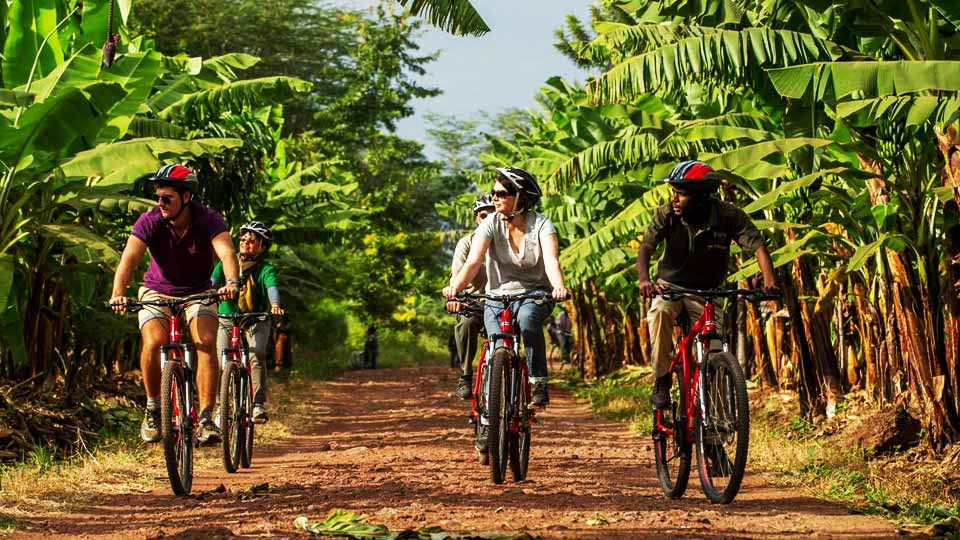
Mto Wa Mbu — meaning "River of Mosquitoes" in Swahili — is one of Tanzania's most fascinating villages precisely because it is home to people from virtually every tribe in the country. Over 40 different ethnic groups have settled here, drawn by reliable water from the nearby rivers and fertile agricultural land at the base of the Rift Valley escarpment.
A walking, cycling, or tuk-tuk tour through the village delivers an extraordinary cultural cross-section of Tanzania in a single afternoon:
Watch Chagga people from the slopes of Mount Kilimanjaro brew mbege — the traditional banana beer
See Rangi women from Kondoa weave beautiful baskets and mats from papyrus grass
Watch farmers from Kigoma extract palm oil from palm trees using traditional presses
Learn how women make cooking pots from clay soil — hand-shaped and baked hard in open fires
See the traditional smelting technology used to craft knives, spears, and arrowheads
Hear the fascinating clicking language of the Sandawe people — similar to the Khoisan of the Kalahari
Why this experience matters: In a country of 120+ tribes, Mto Wa Mbu is the rare place where many of them exist side by side. A single afternoon here introduces you to more cultural diversity than most travelers encounter in weeks of travel elsewhere.
5. Explore Kilwa Ruins — East Africa's Greatest Medieval City
Where: Kilwa Kisiwani Island, Southern Tanzania Coast
Best combined with: Southern Tanzania safari (Nyerere/Ruaha)
Kilwa Kisiwani was once one of the most prosperous trading cities in the Indian Ocean world — a UNESCO World Heritage Site that connected East Africa to trade routes stretching across Arabia, Persia, India, and China.
The 14th-century Arab traveler Ibn Battuta — who had seen Cairo, Mecca, and Constantinople — described Kilwa as one of the most beautiful and well-built cities he had ever visited. Today, its ruins remain extraordinary: domed mosques, a vast coral palace, and stone warehouses where gold from Zimbabwe, cloth from India, and porcelain from China once passed through in immense quantities.
What to see at Kilwa:
Husuni Kubwa — the largest pre-colonial building in sub-Saharan Africa; a vast sultan's palace with a swimming pool, audience courts, and dozens of rooms
The Great Mosque — the largest medieval mosque in East Africa; its domed roof and coral columns are among the finest surviving examples of Swahili architecture
Gereza Fort — a Portuguese-era fortification built over an earlier Arab structure
The trading warehouses — where centuries of Indian Ocean commerce left their physical mark
Kilwa is reached by a short boat trip from the mainland town of Kilwa Masoko. It is best visited as part of a southern Tanzania safari that also includes Nyerere National Park — the two destinations are close together and complement each other perfectly.

6. Visit Olduvai Gorge — The Cradle of Humankind
Where: Olduvai Gorge, between Ngorongoro and the Serengeti
Best combined with: Ngorongoro Crater to Serengeti transit day
Sculpture in Stone Town honoring victims of the slave trade showcases the city's deep historical heritage — but for the deepest history of all, Olduvai Gorge takes travelers 1.9 million years into the past, to the site where evidence of humanity's earliest ancestors was discovered.
In 1959, Dr. Louis Leakey and his wife Mary unearthed the skull of Australopithecus boisei — a hominid that lived 1.75 million years ago — in this gorge on the edge of the Serengeti. The discovery fundamentally changed scientific understanding of human evolution. Further excavations revealed Homo habilis — the first human ancestor known to make stone tools — and hundreds of other fossils that have made Olduvai one of the most important paleoanthropological sites on earth.
The modern museum at Olduvai (officially renamed Oldupai Gorge) presents the full story of these discoveries with clarity and depth. Most northern circuit itineraries build in a 1–2 hour stop here when driving between Ngorongoro and the Serengeti — do not skip it.
What to see:
The on-site museum with original fossil casts and excavation photographs
A guided walk to the primary excavation sites with a knowledgeable local guide
Panoramic views across the gorge and toward the Serengeti plains
A timeline of human evolution that puts the Serengeti's wildlife in its full geological context

7. Explore Bagamoyo — Where African History Meets the Indian Ocean
Where: Bagamoyo, 75km north of Dar es Salaam
Best combined with: Dar es Salaam city visit; southern Tanzania safari
The name Bagamoyo comes from the Swahili bwaga moyo — "lay down your heart" — a phrase enslaved people whispered as they were marched to the coast, knowing they would never see their homeland again.
This small coastal town was once one of the most important places in East Africa. Arab slave traders brought captives from the interior here before shipping them to Zanzibar. German colonialists made it their East African capital between 1886 and 1891. Christian missionaries established the first Roman Catholic church in East Africa on its outskirts. And explorers like David Livingstone passed through on their journeys into the African interior.
What to explore in Bagamoyo:
Old Fort — held enslaved people before they were shipped to Zanzibar
Boma — the German colonial administration headquarters; now a historical museum
First Roman Catholic Church in East Africa — a tangible piece of missionary history
Kaole Ruins — 12th-century Shirazi mosque and tombs; among the oldest Islamic sites in Tanzania
Livingstone Memorial Church — where the explorer's body rested on its journey back to Britain
Bagamoyo Beach — pristine white sand beach largely untouched by mass tourism
Bagamoyo is a half-day trip from Dar es Salaam — one of the most historically rich short excursions available anywhere in Tanzania.

8. Attend Sauti Za Busara Music Festival — Zanzibar, February
Where: Old Fort, Stone Town, Zanzibar
When: Every February (2026 edition: February 13–16)
Best combined with: Zanzibar beach holiday; bush and beach itinerary
Sauti za Busara — meaning "Sounds of Wisdom" — is one of Africa's premier music festivals, held each February in the historic Fort of Zanzibar's Stone Town. Since its founding in 2003, the festival has grown into a celebrated four-day showcase of African music in all its forms — from traditional coastal Taarab to contemporary Afrobeats and everything in between.
The setting is extraordinary — the open-air stage inside the 18th-century Omani fort, with Stone Town's historic skyline as the backdrop and the Indian Ocean breeze carrying the music through the night. Artists from across Africa and the wider world perform alongside local Zanzibar musicians, creating an atmosphere that is simultaneously globally connected and deeply rooted in the Swahili coast's specific cultural identity.
What makes Sauti Za Busara special:
Completely free daytime cultural programming — music workshops, film screenings, art exhibitions
Evening concert ticketing (affordable, well-organized, internationally attended)
A genuine platform for East African musicians rather than a tourist-facing performance
The unique experience of music inside a medieval fort in one of Africa's most atmospheric old cities
If your Tanzania travel dates include February, building your itinerary around this festival adds a dimension no standard safari itinerary offers.
9. Attend Tulia Traditional Dance Festival — Mbeya Region, Southern Tanzania
Where: Rungwe District, Mbeya Region, Southern Tanzania
When: Annually (check current year dates before travel)
Best combined with: Southern Tanzania safari (Ruaha, Nyerere)
Ngoma dance, performed by the Maasai, Sukuma, and other tribes, uses rhythm, movement, and costume to tell stories passed down through generations. It remains a living tradition, performed at ceremonies and festivals throughout the year.
The Tulia Traditional Dance Festival brings many of Tanzania's most distinctive regional dance traditions together in one place — an extraordinary window into the diversity of cultural expression across the country's 120+ tribes.
Visitors experience:
Zanzibar Taarab — the hauntingly beautiful coastal music tradition
Wazaramo drumming dances — powerful rhythm-driven performances from the coast and hinterland
Nyakyusa performances — the distinctive dance tradition of the highland communities of southwest Tanzania
Traditional costume — costumes vary dramatically by tribe and carry specific cultural meanings that a good guide will help you understand
Direct interaction with performers after shows — this is not a stage-only experience
Tulia is one of the least-touristed authentic cultural festivals in Tanzania — which means visitors experience it alongside local Tanzanians rather than in a crowd of international tourists.
10. Celebrate Mwaka Kogwa — The Shirazi New Year in Zanzibar
Where: Makunduchi Village, Southeast Zanzibar
When: Annually in July (the month of Rajab in the Zoroastrian calendar)
Best combined with: Zanzibar beach holiday
Mwaka Kogwa is one of Zanzibar's most extraordinary and genuinely ancient cultural events — a four-day festival celebrating the New Year according to the Persian Shirazi calendar, brought to Zanzibar by the Shirazi settlers who were among the first outsiders to settle the island centuries ago.
The festival's rituals are unlike anything else in East African cultural life:
Burning of the hut — a hut filled with symbolic objects representing the year's troubles is burned; as the flames consume it, so do the conflicts and grievances of the past year
Mock battle — men from different village quarters engage in ritual fighting using banana stems to resolve old conflicts symbolically before the New Year begins
Women's songs — while the men engage in the mock battles, women walk through the fields and streets singing celebratory songs about life, fertility, and the coming year
Music, dancing, and feasting — the four days include music from local Taarab bands, community meals, and the general atmosphere of collective renewal
Attending Mwaka Kogwa gives visitors access to a cultural event that most Zanzibar tourists never know exists — a genuine, community-owned celebration that has survived for centuries with remarkable authenticity intact.
How to Add Cultural Experiences to Your Tanzania Safari
Tanzania's cultural experiences are not separate from the safari — they are part of it. The best itineraries weave cultural encounters naturally into the journey between national parks, creating a richer, more complete understanding of the country you are traveling through.
Here is how different cultural experiences align with standard safari routes:
Safari Route | Cultural Experiences to Add |
Northern Circuit (Tarangire, Ngorongoro, Serengeti) | Maasai village (Ngorongoro), Hadzabe/Datoga (Lake Eyasi detour), Mto Wa Mbu village, Olduvai Gorge |
Southern Circuit (Nyerere, Ruaha) | Bagamoyo day trip (from Dar es Salaam), Kilwa Ruins, Iringa highland culture |
Zanzibar Extension | Stone Town walk tour, Forodhani Night Market, spice farm tour, Prison Island, Sauti Za Busara (February), Mwaka Kogwa (July) |
Northern + Zanzibar | Maasai village, Olduvai Gorge, Stone Town, spice tour — the most complete cultural + wildlife combination |
How to Experience Tanzania's Cultural Sites Responsibly
Be aware that some "traditional villages" are created primarily for tourists — the best operators select authentic experiences where real cultural exchange occurs, with trips co-created and hosted by the communities themselves, so that your visit directly supports local families and contributes to preserving traditional knowledge.
Principles for respectful cultural tourism in Tanzania:
Book through operators with genuine community partnerships — Gnade Safaris works only with community-authorized cultural experiences, not tourist-facing performances
Ask before photographing people — always seek permission; many communities are comfortable with photography, others are not
Dress modestly — particularly important in Muslim communities (coastal areas, Zanzibar, Bagamoyo)
Buy directly from artisans — purchasing Maasai beadwork, Datoga jewelry, or Chagga crafts directly from the maker puts money in the right hands
Ask your guide for context — every cultural practice has meaning; a good guide translates not just language but significance
Be present — put the camera down occasionally and simply experience what is happening around you
Frequently Asked Questions: Cultural Experiences in Tanzania
What is the most authentic cultural experience in Tanzania?
The Hadzabe experience at Lake Eyasi is considered by many travelers to be the most authentic cultural encounter in Tanzania — as one of the last hunter-gatherer societies on earth, the Hadzabe maintain a way of life largely unchanged for tens of thousands of years. The Maasai village visits at Ngorongoro and the walking tour of Stone Town are also consistently rated among Tanzania's most meaningful cultural experiences.
Can I visit Maasai villages on a Tanzania safari?
Yes. Maasai village visits are easily incorporated into northern circuit itineraries, particularly around the Ngorongoro Conservation Area where Maasai communities live alongside wildlife. Gnade Safaris arranges genuine, community-authorized visits — not tourist performances.
How many tribes are in Tanzania?
With 125–130 indigenous communities and more than 126 indigenous languages, Tanzania is one of the most ethnically diverse countries in Africa. This extraordinary diversity means cultural experiences vary dramatically from region to region — the Maasai of the north, the Hadzabe of the rift valley, the Chagga of Kilimanjaro, the Swahili communities of the coast, and the highland tribes of the south all offer completely different windows into Tanzanian life.
What is the Sauti Za Busara festival in Tanzania?
Sauti za Busara is one of Africa's premier music festivals held each February at the historic Old Fort in Stone Town, Zanzibar. Since 2003, it has grown into a celebrated four-day showcase of African music from traditional coastal Taarab to contemporary Afrobeats.
Can I combine cultural experiences with a Tanzania safari?
Absolutely — and Gnade Safaris specifically designs itineraries that weave cultural encounters into safari routes. A Hadzabe visit at Lake Eyasi sits naturally between a Tarangire and Ngorongoro game drive. A Stone Town walk pairs perfectly with a Zanzibar beach extension after the safari. Olduvai Gorge is visited on the standard Ngorongoro–Serengeti transit day.
What should I wear when visiting Tanzanian tribal communities?
Dress modestly and practically — neutral, comfortable clothing that covers shoulders and knees is appropriate for most community visits. In Muslim communities (Zanzibar, Bagamoyo, coastal areas) modest dress is particularly important and deeply appreciated. Remove shoes before entering mosques or traditional homesteads when asked.
Plan Your Tanzania Cultural Safari With Gnade Safaris
Tanzania's wildlife is extraordinary. Its people and their living traditions are equally so.
At Gnade Safaris, we have been building itineraries that honor both halves of Tanzania's identity for over a decade. We know which Maasai communities offer genuine cultural exchange. We know which Lake Eyasi guides have the deepest Hadzabe relationships. We know how to time a Stone Town visit to catch the evening food market at its peak. And we know how to weave all of it into a safari that leaves you with a complete, layered understanding of one of the world's most extraordinary countries.
Every itinerary is built from scratch around your travel dates, interests, group, and budget. Tell us what matters most to you — wildlife, culture, history, people, food — and we build accordingly.
Gnade Safaris — Tanzania-Based Safari Specialists. Cultural and Wildlife Experiences. Tailor-Made Private Itineraries. Expert Local Guides. Transparent Pricing. Based in Arusha, Tanzania. Over 10 Years of Excellence.


Comments