
Maasai Tribe Tanzania: Culture, Traditions, Religion, Language & Lifestyle Guide
- Aron

- May 5
- 4 min read
Updated: 5 days ago
Across the golden savannahs of northern Tanzania lives one of Africa’s most iconic communities — the Maasai Tribe Tanzania. Known for their red garments, warrior traditions, and deep spiritual connection to nature, the Maasai people offer travelers a rare opportunity to experience living African heritage during a safari.
For visitors exploring the Serengeti, Ngorongoro, or Mount Kilimanjaro regions, meeting the Maasai is often one of the most unforgettable cultural highlights of a Tanzania safari.

History of the Maasai Tribe Tanzania
The Maasai are a Nilotic ethnic group believed to have migrated south from the Nile Valley around modern-day South Sudan between the 15th and 17th centuries.
Over generations, they settled across:
Northern Tanzania
Southern Kenya
The Great Rift Valley ecosystem
By the 1800s, the Maasai controlled vast grazing lands and became renowned as skilled warriors and cattle herders.
Historical Challenges
The Maasai experienced major disruptions including:
Rinderpest livestock disease outbreaks
Colonial land displacement
Creation of wildlife reserves and national parks
Loss of traditional grazing territories
Despite these challenges, the Maasai remain one of East Africa’s most culturally resilient communities, with over 1.5 million people today.
Maasai Society and Social Structure
Maasai communities live in family villages called Enkang (also known as bomas).
Each boma consists of circular homes surrounded by thorn fences to protect livestock from predators.
Traditional Social Roles
Elders
Community leaders
Decision makers
Spiritual authorities
Morani (Warriors)
Protect livestock
Represent bravery and strength
Participate in ceremonies and defense
Women
Build homes (Manyattas)
Care for children
Create intricate beadwork jewelry
Manage household life
Social status traditionally depends on cattle ownership and family size.
Language and Religion of the Maasai
The Maasai speak Maa, a Nilotic language still actively used today. Most Maasai also speak:
Swahili
English (especially younger generations involved in tourism)
Religion and Beliefs
Maasai spirituality centers on a single god called Enkai (or Engai).
Enkai represents:
Rain
Fertility
Protection
Livestock blessings
A spiritual leader known as the Laibon serves as healer, prophet, and mediator between the people and the divine.




Traditional Maasai Clothing and Symbolism
The famous Maasai shuka — usually red — symbolizes courage and unity.
Color meanings include:
Red: bravery and protection
Blue: sky and rain
Green: land and health
White: purity and milk
Yellow/Orange: hospitality
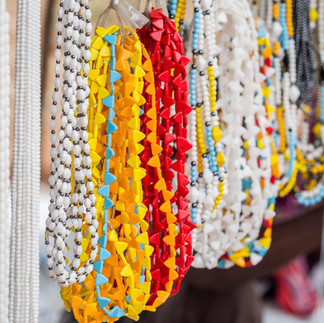
Maasai beadwork tells stories about identity. Jewelry patterns reveal:
Age group
Marital status
Social role
Life achievements
Most beadwork is handmade by Maasai women and sold to support community livelihoods.
Maasai Music, Dance and Oral Traditions
Music among the Maasai relies on voice and rhythm, not instruments.
Common elements include:
Deep chanting
Clapping rhythms
Foot stomping
Beaded ornament sounds
Famous Maasai Dances
Adumu — the famous jumping dance performed by warriors
Eunoto Dance — marks transition to elder status
Engilakinoto — women’s ceremonial dance
Storytelling remains central to education, preserving history and moral teachings across generations.
Rites of Passage in Maasai Culture
Life stages define Maasai identity.
For Boys
Emuratare: initiation into warriorhood
Eunoto: transition from warrior to elder
Olng’esherr: full elder recognition
For Girls
Modern Maasai communities increasingly adopt Alternative Rites of Passage (ARP) that celebrate adulthood while protecting health and education rights.
Marriage traditions involve cattle dowries and strong family alliances.




Maasai Diet and Traditional Food
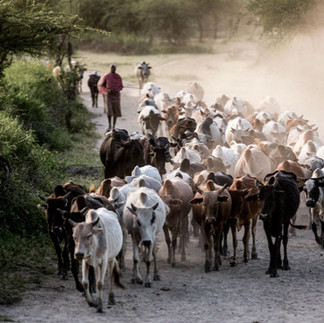
The Maasai diet reflects their pastoral lifestyle.
Typical foods include:
Fresh or fermented milk
Meat (especially goat)
Cattle blood used ceremonially for protein
Ugali (maize porridge)
Honey and herbal remedies
Vegetables were historically limited but are becoming more common today.
Food preparation often occurs over open fires and plays ceremonial roles.
Maasai Knowledge of Nature and Traditional Medicine
Maasai survival depends on deep environmental knowledge.
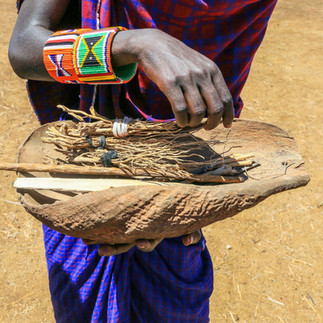
Traditional healing uses:
Roots
Bark
Leaves
Medicinal herbs
Examples include:
Oloirien — spiritual cleansing plant
Olkiloriti — anti-malarial remedy
Herbal treatments for wounds and stomach illnesses
This ecological knowledge is passed orally through generations.
Modern Challenges Facing the Maasai
Today, Maasai communities balance tradition and modernization.
Major challenges include:
Land pressure from conservation areas
Climate change and drought
Access to education
Cultural commercialization through tourism
Many Maasai leaders now promote sustainable pastoralism, girls’ education, and community-based tourism partnerships.
Experiencing Maasai Culture During a Tanzania Safari
Visitors can experience authentic Maasai culture responsibly during safaris in northern Tanzania.
Cultural Experiences
Visit a traditional Maasai boma
Join guided nature walks with a Maasai warrior
Watch ceremonial dances
Purchase authentic handmade beadwork
Learn traditional survival skills
Ethical tourism helps support Maasai families directly while preserving cultural heritage.
Why Maasai Culture Is a Highlight of Tanzania Safaris
A wildlife safari shows Africa’s animals — but meeting the Maasai reveals Africa’s soul.
Understanding Maasai traditions adds meaning to:
Serengeti migration safaris
Ngorongoro cultural visits
Walking safaris around Maasai lands
Community tourism experiences
Travelers leave not only with photographs but with genuine cultural connection.
FAQ — Maasai Tribe Tanzania
Where do the Maasai live?
The Maasai live primarily in northern Tanzania and southern Kenya, especially near Serengeti, Ngorongoro, and Kilimanjaro regions.
Are the Maasai still nomadic?
They are semi-nomadic. Some continue seasonal cattle movements while others live in permanent villages.
What religion do the Maasai follow?
Most practice traditional belief centered on Enkai, though Christianity and Islam are also present.
Can tourists visit Maasai villages?
Yes — through organized and ethical cultural tours arranged by licensed safari operators.
Final Travel Inspiration
A Tanzania safari is not only about wildlife — it is also about people, traditions, and living history.
At Gnade Safaris, we design journeys that combine wild adventure with authentic cultural encounters, allowing travelers to experience the true spirit of Tanzania.


Comments