Get Quickly Reply Help / Quote or Safari Consultation
Email: info@gnadesafaris.com
WhatsApp +255793832959

The Ultimate Big Five Safari Experience in Tanzania

Big Five Experience
Imagine the golden sun rising over the sweeping plains of the Serengeti, casting long shadows as a majestic lion lets out a roar that vibrates through the earth. This is the magic of a Big Five Safari in Tanzania.
For wildlife enthusiasts and adventure seekers around the globe, spotting the African Big Five is the ultimate bucket-list experience. At Gnade Safari, we specialize in turning this dream into a breathtaking reality, guiding you through Tanzania's most iconic and untamed wilderness to witness nature's most legendary animals in their natural habitat.

Top Big Five Tours Handpicked for You


Start From
$ 3,909
Per Person

Start From
$ 2017
Per Person

Do You Have Your Own Tanzania Safari Tour or Zanzibar Beach Holiday Idea?
We’ve got you covered! Share your details in the form below to receive your free Tanzania safari itinerary shortly. You can also email us or chat with us directly—we’re ready to plan your perfect Tanzania safari tour.

What Are the African Big Five?
The term "Big Five" was originally coined by big-game hunters decades ago to describe the most difficult and dangerous animals to track on foot. Today, the term has been reclaimed by photographic safaris and conservationists to represent the royalty of the African savanna.
The Big Five includes:
-
The African Lion: The undisputed king of the savanna, often seen lounging on ancient kopjes (granite outcrops) or prowling through tall grass.
-
The African Leopard: Elusive, solitary, and incredibly strong. Leopards are masters of stealth, frequently spotted draped across the branches of acacia trees.
-
The African Elephant: The world’s largest land mammal. Watching a herd of elephants gently interact with one another is a deeply moving experience.
-
The Cape Buffalo: Often underestimated, the buffalo is known for its formidable curved horns and fiercely protective herd mentality.
-
The Rhinoceros (Black Rhino): The rarest of the Big Five. Critically endangered, spotting a prehistoric-looking rhino in the wild is a rare and unforgettable privilege.


1. The Majestic Lion
-
Scientific Name: panthera leo
-
Family: cats (Felidae)
-
Habitat Northern Circuit: Lake Manyara, Tarangire, Ngorongoro, Serengeti
-
Population in Tanzania: ca. 17,000 (2026)
-
Diet: antelope, gazelle, gnus, buffalo, zebras
-
Head-and-body length: 140 – 250 cm
-
Weight: 120 – 270 kg
-
Sexual Maturity: ca. 4 years
-
Life Span: ca. 15 years (zoo animals up to 25 years)
-
IUCN Status: vulnerable
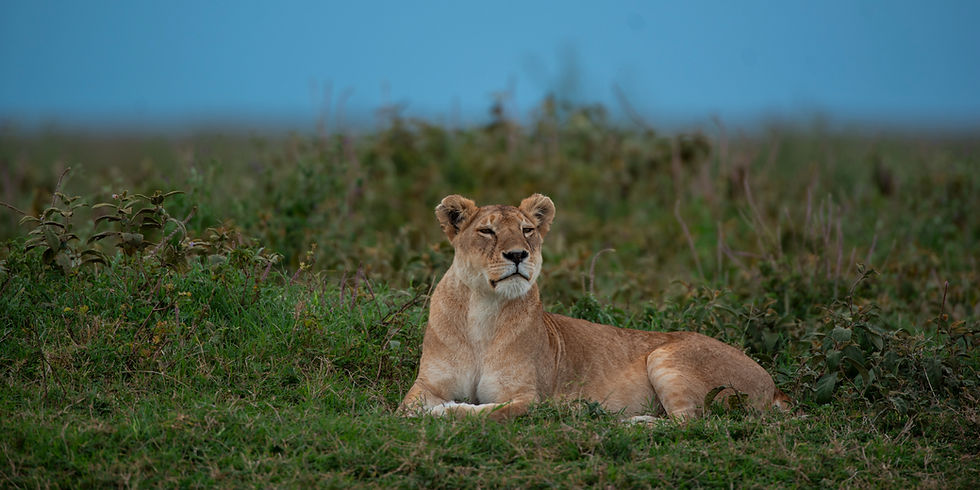
The lion, known as the “King of the Jungle,” is an essential symbol of African wilderness. In Tanzania, you’ll often encounter prides lounging under acacia trees in the Serengeti or prowling through the Ngorongoro Crater. These apex predators hunt cooperatively, making their hunts a thrilling spectacle. Lions are especially photogenic at golden hour, making them a favorite for wildlife photographers on a Big Five safari.

3. The Rare Rhino
-
Scientific Name: diceros bicornis
-
Family: rhinocerotidae
-
Habitat Northern Circuit: Ngorongoro, Serengeti
-
Population in Tanzania: less then 1000
-
Diet: leaves, branches, twigs, bark, thorns
-
Head-and-body length: 280 – 360 cm
-
Weight: 800 – 2500 kg
-
Sexual Maturity: ca. 4 – 6 years
-
Life Span: up to 45 years
-
IUCN Status: critically endangered
The black rhino, critically endangered and fiercely protected, is a rare but unforgettable sight in Tanzania. Your best chance to spot this prehistoric-looking creature is within the Ngorongoro Crater, one of the few places where they roam freely in a secure environment. With their hooked upper lips and horned profiles, rhinos symbolize resilience and conservation efforts across Africa.


2. The Mighty Elephant
-
Scientific Name: loxodonta africana
-
Family: elephants (Elephantidae)
-
Habitat Northern Circuit: Lake Manyara, Tarangire, Ngorongoro, Serengeti, Arusha
-
Population in Tanzania: ca. 43.000 (2014)
-
Diet: grasses, leaves, twigs
-
Head-and-body length: 250 – 750 cm
-
Weight: 3200 – 6500 kg
-
Sexual Maturity: ca. 12 – 15 years
-
Life Span: ca. 40 bis 80 years
-
IUCN Status: endangered
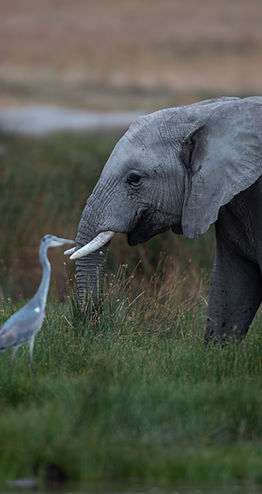
Tanzania’s elephants are some of the largest and most graceful mammals in Africa. With their immense size and calm demeanor, they inspire awe as they roam the savannahs of Tarangire, where they often gather in large herds around ancient baobab trees and riverbeds. Watching a mother elephant guide her young through the bush is one of the most touching moments on safari.

4. The Elusive Leopard
-
Scientific Name: panthera pardus
-
Family: felidae
-
Habitat Northern Circuit: Serengeti, Ngorongoro, Tarangire
-
Population Tanzania: ca. 15.000 to 20.000
-
Diet: antelopes, wild boars, birds, zebras
-
Head-and-body length: 90 to 185 cm
-
Weight: 25 to 100 kg
-
Sexual Maturity: ca. 3 years
-
Life Span: ca. 12 to 18 years
-
IUCN Status: vulnerable
The leopard is the most secretive of the Big Five, often hidden in the high branches of trees or lurking in thick woodland. Seronera Valley in the Serengeti is one of the best places in Tanzania to spot these stealthy hunters. With their powerful build, dazzling coats, and nocturnal behavior, leopards offer some of the most magical and rewarding wildlife encounters—if you can find them.


5. The Powerful Buffalo
-
Scientific Name: syncerus caffer
-
Family: bovidae
-
Habitat Northern Circuit: Lake Manyara, Tarangire, Ngorongoro, Serengeti, Arusha
-
Population: 100.000+
-
Diet: grasses
-
Head-and-body length: 240 – 340 cm
-
Weight: 300 – 900 kg
-
Sexual Maturity: ca. 4 – 5 years
-
Life Span: ca. 18 to 25 years
-
IUCN Status: least concern
Don’t let the buffalo’s grazing posture fool you—they are strong, unpredictable, and fiercely defensive. Often found in large herds in both Tarangire and the Serengeti, African buffaloes are social animals that stick together to fend off predators. Their sharp horns and bold presence make them a thrilling addition to any Big Five checklist.

Why Choose Tanzania for Your Big Five Safari?
When it comes to African safaris, Tanzania is in a league of its own. Over 30% of the country’s land area is protected for wildlife conservation. Unlike fenced reserves in other parts of Africa, Tanzania offers an authentic, boundless wilderness.
Here, the ecosystems are raw and undisturbed, allowing for natural migrations and unmatched predator-prey interactions. Whether you are a first-time safari-goer or a seasoned traveler, Tanzania delivers a density of wildlife that guarantees a world-class viewing experience.


When is the Best Time for a Big Five Safari?
While Tanzania is a fantastic year-round destination, the Dry Season (June to October) is widely considered the best time for a Big Five safari.
-
Optimal Visibility: The bush is less dense, making it easier to spot camouflaged animals like leopards.
-
Waterhole Gatherings: Wildlife congregates around permanent water sources, making tracking more predictable and rewarding.
(Note: If you want to combine your Big Five safari with the Great Migration river crossings, July to September is the absolute peak window!)
Top Destinations in Tanzania to Spot the Big Five
Our expertly crafted itineraries at Gnade Safari take you to the premium wildlife hotspots of the Northern Circuit, maximizing your chances of seeing all five magnificent creatures.
1. The Ngorongoro Crater: The Best Place for the Big Five
Often referred to as the "Eighth Wonder of the World," this ancient volcanic caldera acts as a natural enclosure for over 25,000 large mammals. It is the best place in East Africa to see all of the Big Five in a single day. The crater floor is particularly famous for its high concentration of lions and acts as a vital sanctuary for the highly endangered Black Rhino.
2. Serengeti National Park: The Endless Plains
World-renowned for the Great Wildebeest Migration, the Serengeti is also a premier destination for Big Five tracking. The central Seronera region is renowned as "Big Cat Country," offering spectacular sightings of lions and the elusive leopard. Large herds of buffalo and elephants roam freely across the endless golden plains.
3. Tarangire National Park: The Realm of the Elephants
While rhinos are absent here, Tarangire is an essential stop for its jaw-dropping elephant population. During the dry season, massive herds of up to 300 elephants gather along the Tarangire River, sharing the landscape with tree-climbing lions, leopards, and large buffalo herds.

Why Explore with Gnade Safari?
-
Expert Local Guides: Our English-speaking guides are eagle-eyed wildlife experts with years of experience navigating the Tanzanian bush. They know exactly where to find the Big Five.
-
Custom-Built Safari Vehicles: Enjoy 360-degree views from our extended, pop-up roof 4x4 Land Cruisers, equipped with charging ports and a mini-fridge to keep you comfortable.
-
Tailored Itineraries: Whether you prefer ultra-luxury lodges or authentic tented bush camps, we customize your experience to fit your travel style and budget.
-
Commitment to Conservation: We practice responsible and ethical tourism, ensuring that your visit directly supports local communities and wildlife preservation.
